

How to stop your team’s numbers being flagged as spam by carriers and caller-ID apps
Once a number is labelled “Spam likely”, answer rates collapse. What triggers the label, how to check your numbers, and the calling habits that keep them clean.
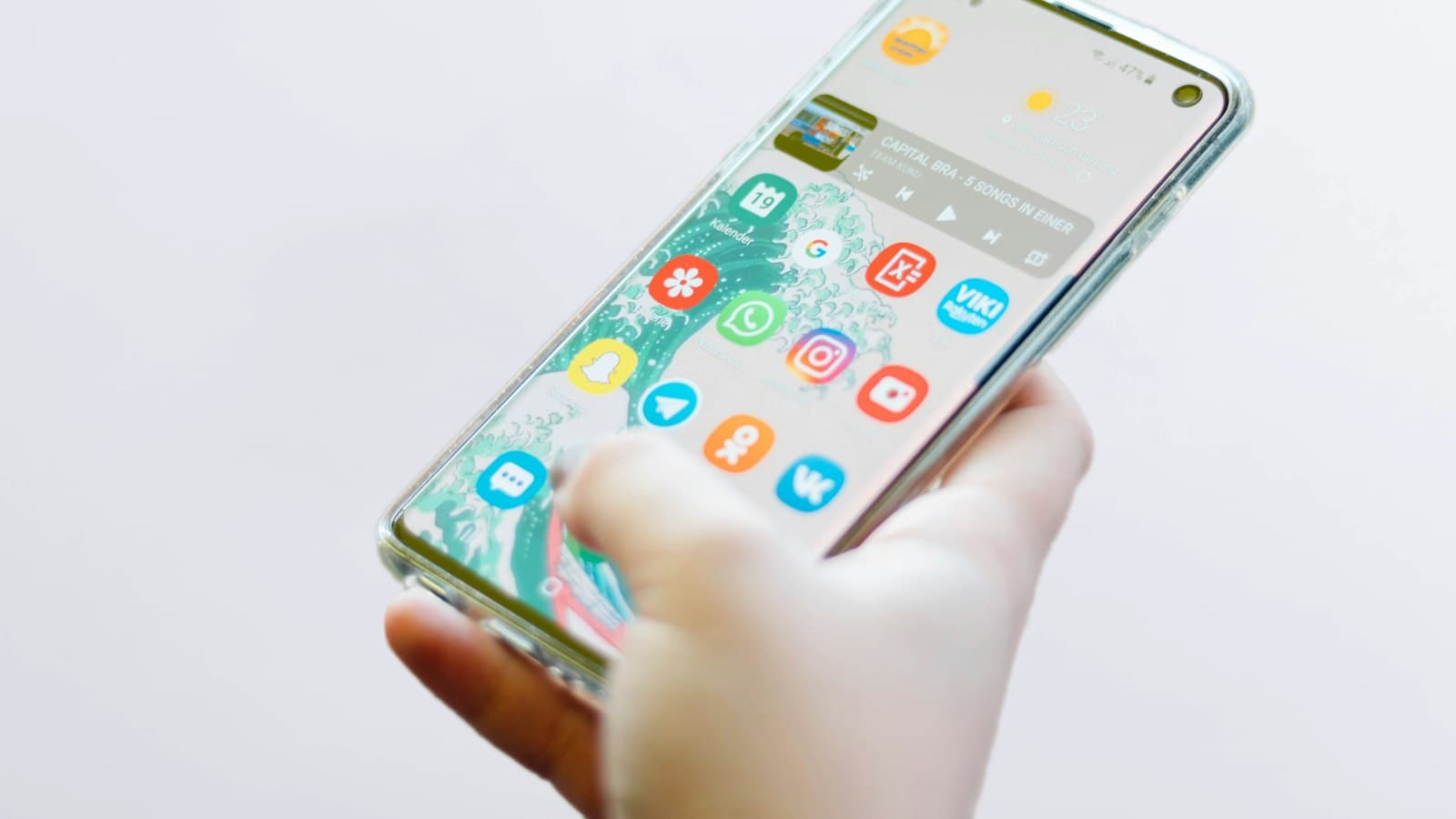
A calling team can lose a third of its answer rate in a week without changing anything about its pitch. All it takes is a caller-ID app deciding that a number is a telemarketer. The label appears on the customer’s lock screen before the first ring, and the decision to ignore the call is made in under a second.
Number reputation is now a core sales asset. This guide explains how the labels are generated, how to audit your team’s numbers, and the operating habits that keep them clean.
Where the “Spam likely” label comes from
There are two systems at work. Carriers analyse calling patterns on their network — very high call volumes, short durations, many unanswered attempts, calls to numbers on do-not-disturb registries — and can tag or even block traffic that looks automated. Community caller-ID apps such as Truecaller add a second layer: users tag numbers they consider spam, and once enough reports accumulate the app shows a warning to everyone.
Both systems are looking for the same thing: a number that behaves like a machine rather than a person. Shared virtual numbers dialed by an entire floor are the textbook case. A personal mobile used for real conversations, saved in customers’ phones with a name, is the opposite pattern.
Audit your numbers before you change anything
- From a phone that does not have the number saved, search each agent’s number in the caller-ID apps popular in your market and note the label and tag count.
- Ask five recent customers what they saw when the agent called. Screenshots are gold.
- Compare answer rates per agent over the last 30 days. When each agent calls from their own work SIM, that is a per-number comparison — and a number with a rate far below the team average is usually a labelled number.
- Check whether any number is used by more than one person or by an auto-dialer. Shared numbers accumulate reports fastest.
Calling habits that keep numbers clean
- One agent, one number. A number tied to a real person with a real conversational pattern rarely earns reports.
- Call people who expect you. Enquiry-driven calling — leads from forms, ads, walk-ins, referrals — produces answered calls and conversations, which is the strongest positive signal.
- Respect the attempt limit. Ten unanswered attempts to the same number in a day is what a spam pattern looks like. Cap attempts and space them out with a retry schedule.
- Introduce by message first. A short WhatsApp or SMS with the agent’s name and reason for calling means the next call is expected and saved, not reported.
- Honour do-not-call immediately. Calls to registered numbers are the fastest route to carrier action and regulatory complaints.
- Keep the number alive outside sales. Numbers that also receive calls, reply to messages and are saved in contacts look like people.
Register the business identity your customers see
Where caller-ID platforms offer verified business profiles, register your company name and logo so the incoming screen shows “Nair Realty · Anita” rather than a bare number. Encourage agents to set their own caller-ID name consistently. On the customer side, the most durable protection is being saved as a contact — which a first message with a vCard or a clear name achieves.
If a number is already labelled
Most caller-ID apps have a process to dispute a label for a number you own, usually by verifying the number in the app and requesting a review. It takes time and only sticks if the calling behaviour changes. In the meantime, reduce volume on that number, move the agent’s outbound to a clean number if you have one, and keep the old number for inbound so existing customers still reach the same person.
Do not rotate numbers as a strategy. Buying fresh virtual numbers every month is how you train the systems to distrust your entire range, and customers lose the number they had saved.
What a calling CRM can do about it
The CRM cannot change a label, but it shapes the behaviour that earns one. Attempt limits and calling hours enforced before the Call button dials; retry schedules that space attempts out; a “Requested no contact” outcome that takes a lead out of every queue the moment it is saved; message templates that make the introduction habit effortless; and an answer rate per caller on the manager’s Coaching report, with anyone far below the team average highlighted — with one agent per number, a labelled number shows up there in days, not quarters.
Mga tanong sa paksang ito
Does a spam label mean my calls are blocked?+
Usually not blocked, but shown with a warning that most people treat as a reason not to answer. Carriers can block traffic they classify as automated, which is a separate and more serious step.
How many reports cause a label?+
Apps do not publish thresholds. In practice, a handful of reports on a low-volume personal number can be enough, and the count grows quickly on shared numbers.
Kaugnay
- ProduktoPaano ito gumaganaAng araw-araw na loop, mula lead hanggang follow-up
- GabayCalling policy and lead data protection